Chamfer Lead Length
Bottoming taps with a 1.5- to 2-thread lead maximize usable thread depth in blind holes. Plug chamfers with 3 to 5 threads distribute cutting load for through-hole threading in hard alloys.

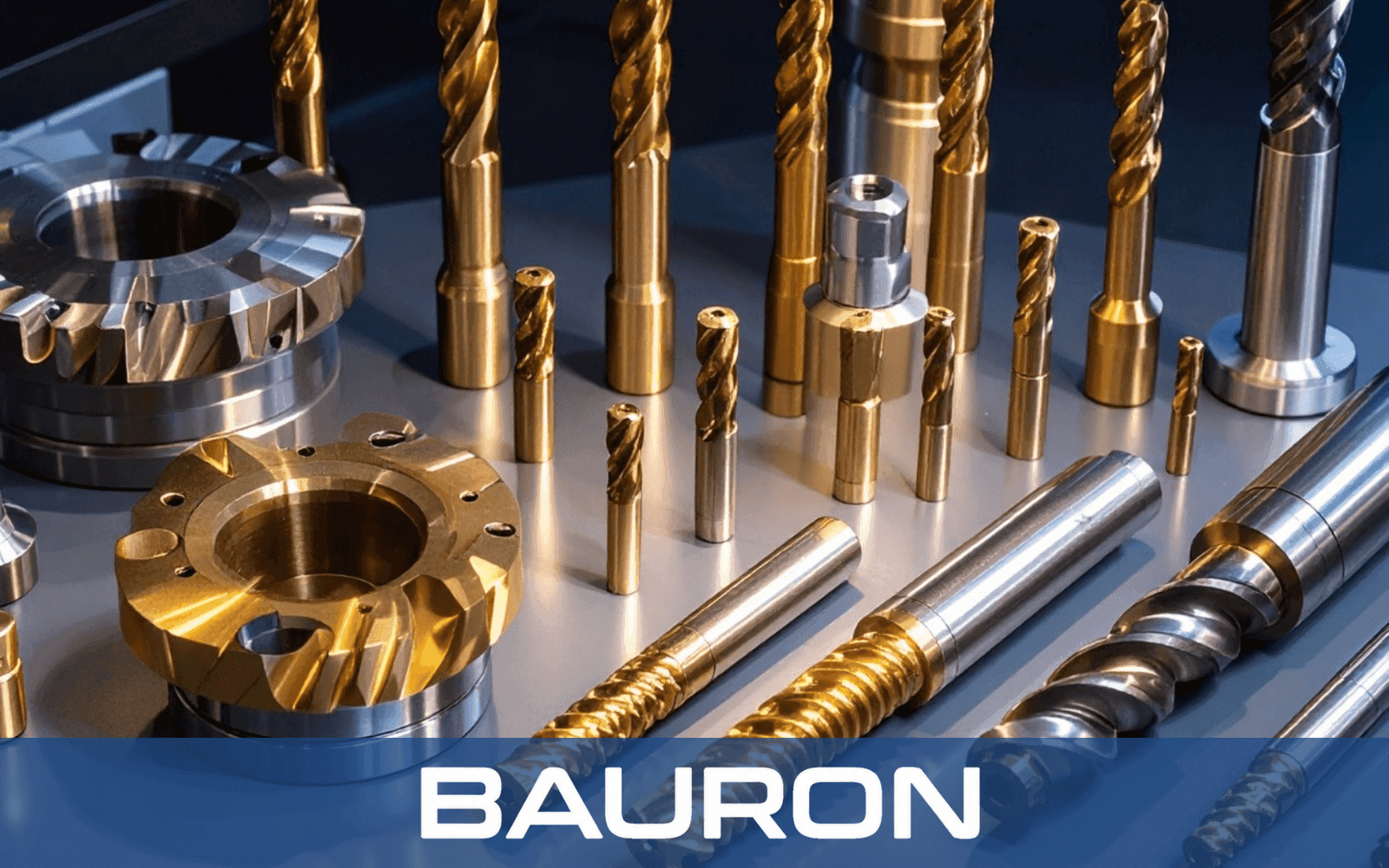
This technical guide details the core principles of tap design, chamfer geometries, flute configurations, and custom engineering for high-performance internal and external CNC threading tools.
Selecting or engineering the right CNC tap geometry is critical to precise pitch-diameter control, smooth surface finishes, and preventing tool breakage. Unlike milling or drilling, internal thread tapping engages a continuous cutting lip across complex thread forms with restricted chip-clearance space. Effective CNC tapping tools balance core strength, relief angles, pitch tolerances, and chip-direction control.
Bottoming taps with a 1.5- to 2-thread lead maximize usable thread depth in blind holes. Plug chamfers with 3 to 5 threads distribute cutting load for through-hole threading in hard alloys.
Spiral-point gun taps push chips forward through open through-holes. Spiral-flute taps with a 15° to 52° helix pull continuous chips upward from deep blind holes.
Radial and pitch relief reduce friction between the tap land and the newly formed internal thread, preventing galling and material drag.
Fluteless thread-roll taps displace metal plastically without producing chips, creating high-strength threads in ductile aluminum, brass, and stainless steel.
Use high positive rake angles, polished flute channels, DLC coatings, or thread-forming geometries to eliminate chip packing and built-up edge.
Cobalt HSS-Co or solid-carbide substrates, interrupted thread designs, 15°–30° spiral flutes, and heat-resistant AlTiN or nACo PVD coatings support these materials.
Straight-flute taps with neutral rake angles and micro-honed cutting lips absorb high impact shock without tooth micro-chipping.
Solid micro-grain carbide taps with specialized clearance angles handle abrasive glass-fiber wear without pitch degradation.
Standard taps can fall short in high-speed automated production or when machining non-standard thread profiles. Custom tap engineering addresses specific production constraints.
Merging thread chamfering, drilling, and tapping into one tool can reduce spindle cycle time.
Custom options include GH/H-class pitch-diameter tolerances, extended shanks for deep-cavity reach, and Acme, trapezoidal, or buttress pitch geometries.
Helical internal coolant channels flush chips from deep blind holes and help prevent tap breakage during retraction.
Bauron produces the complete range of threading taps, grouped by application. Each category diagram below is paired with the specific tap types it contains.
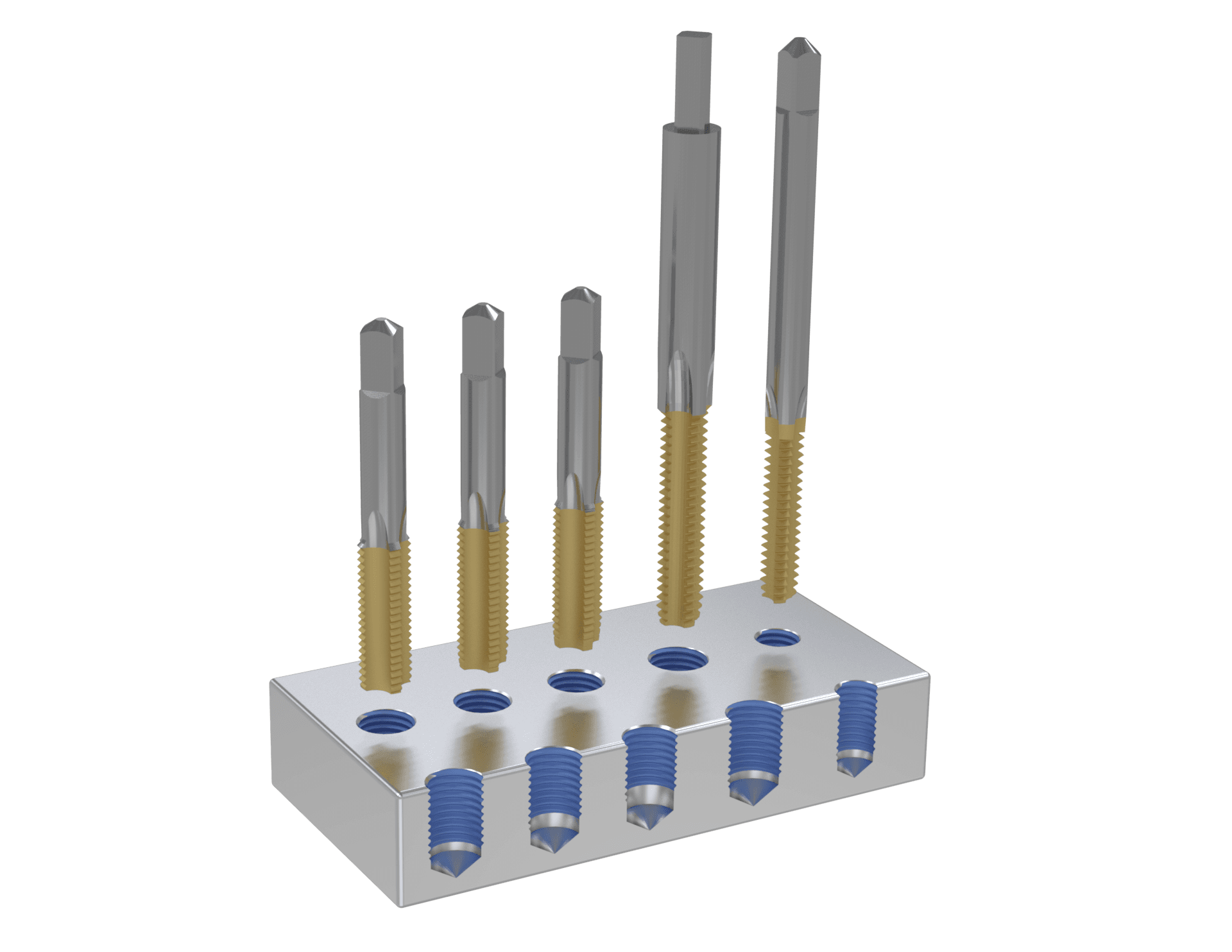
Everyday threading taps with varying chamfer lengths for through and blind holes.
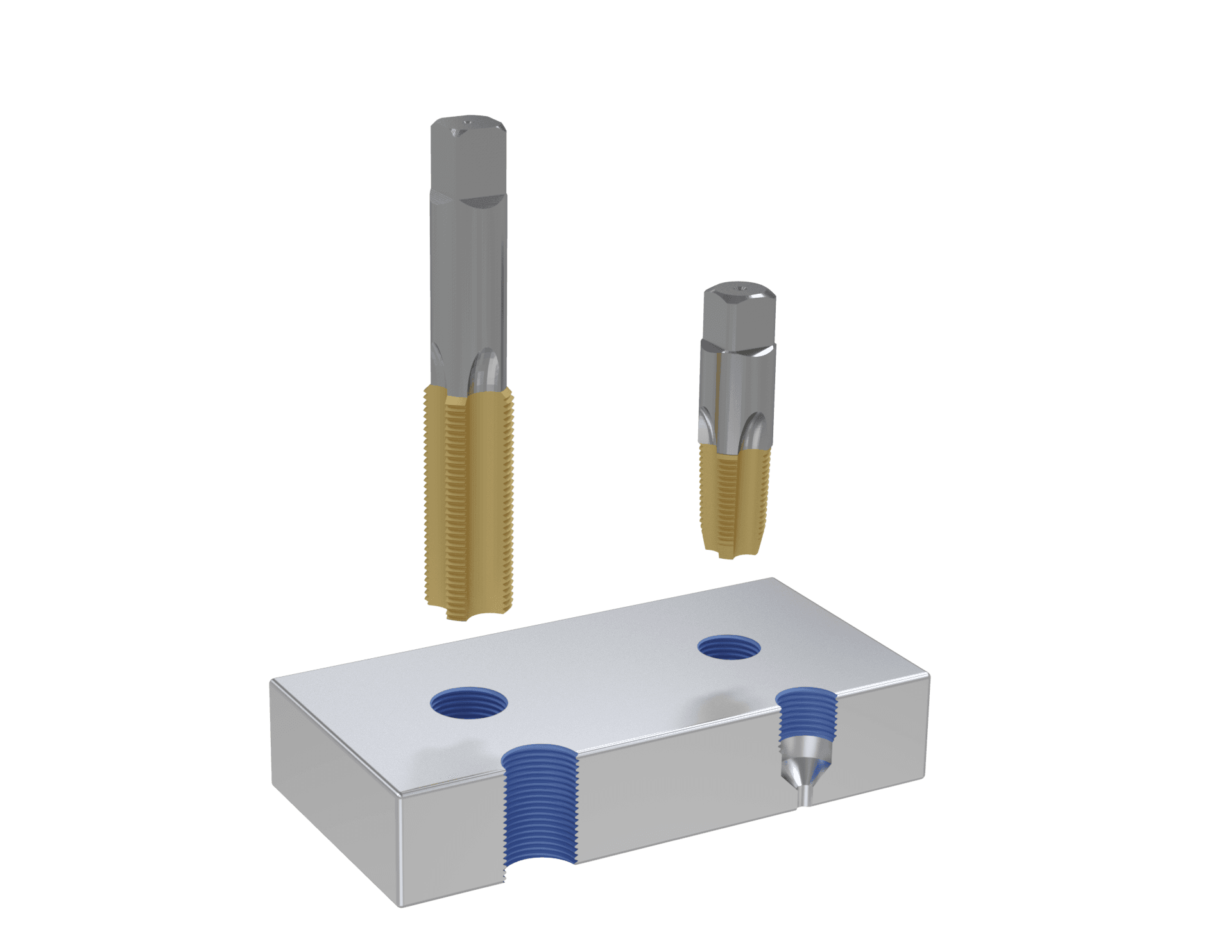
Taps for secure, sealed threads in pipes and fittings.
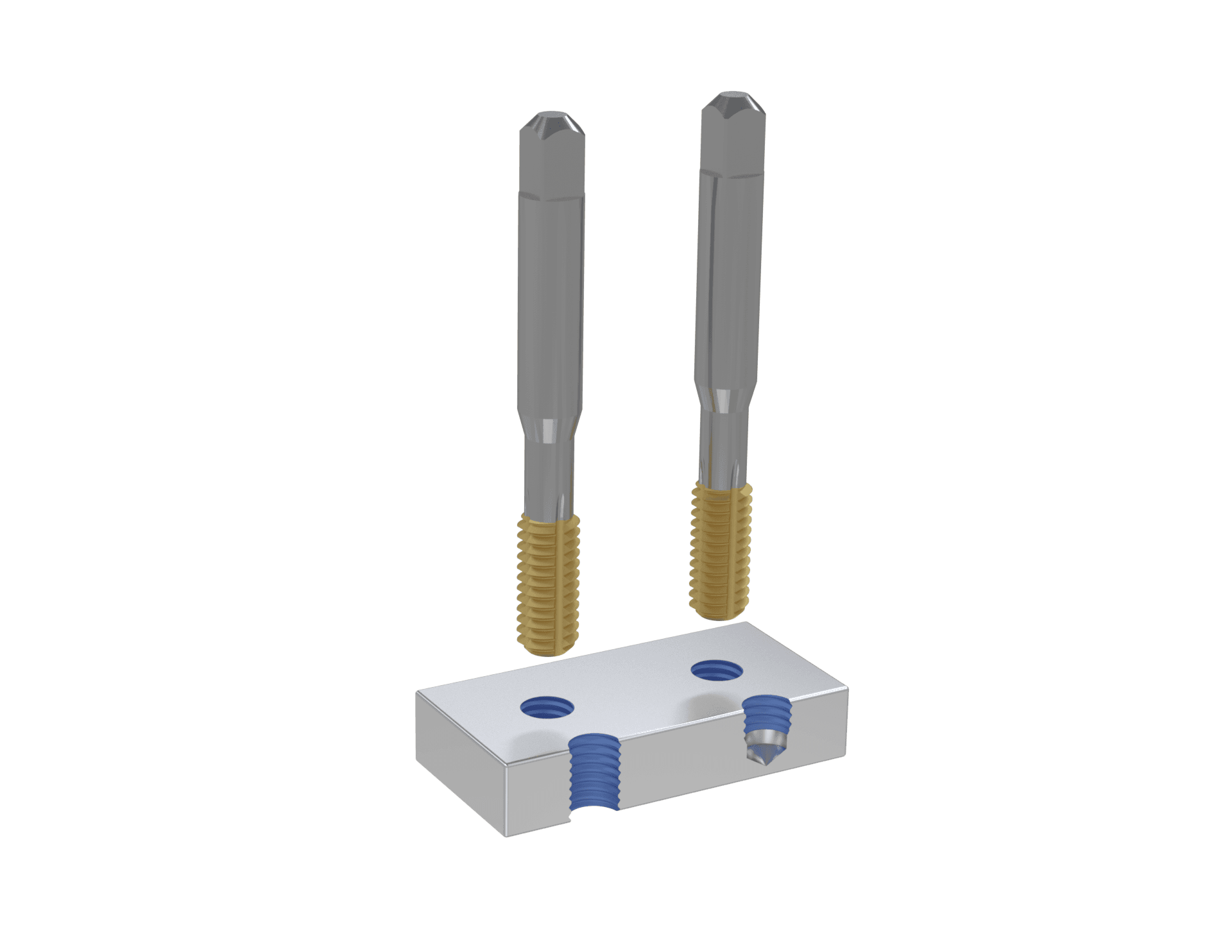
Form threads by displacing material instead of cutting.
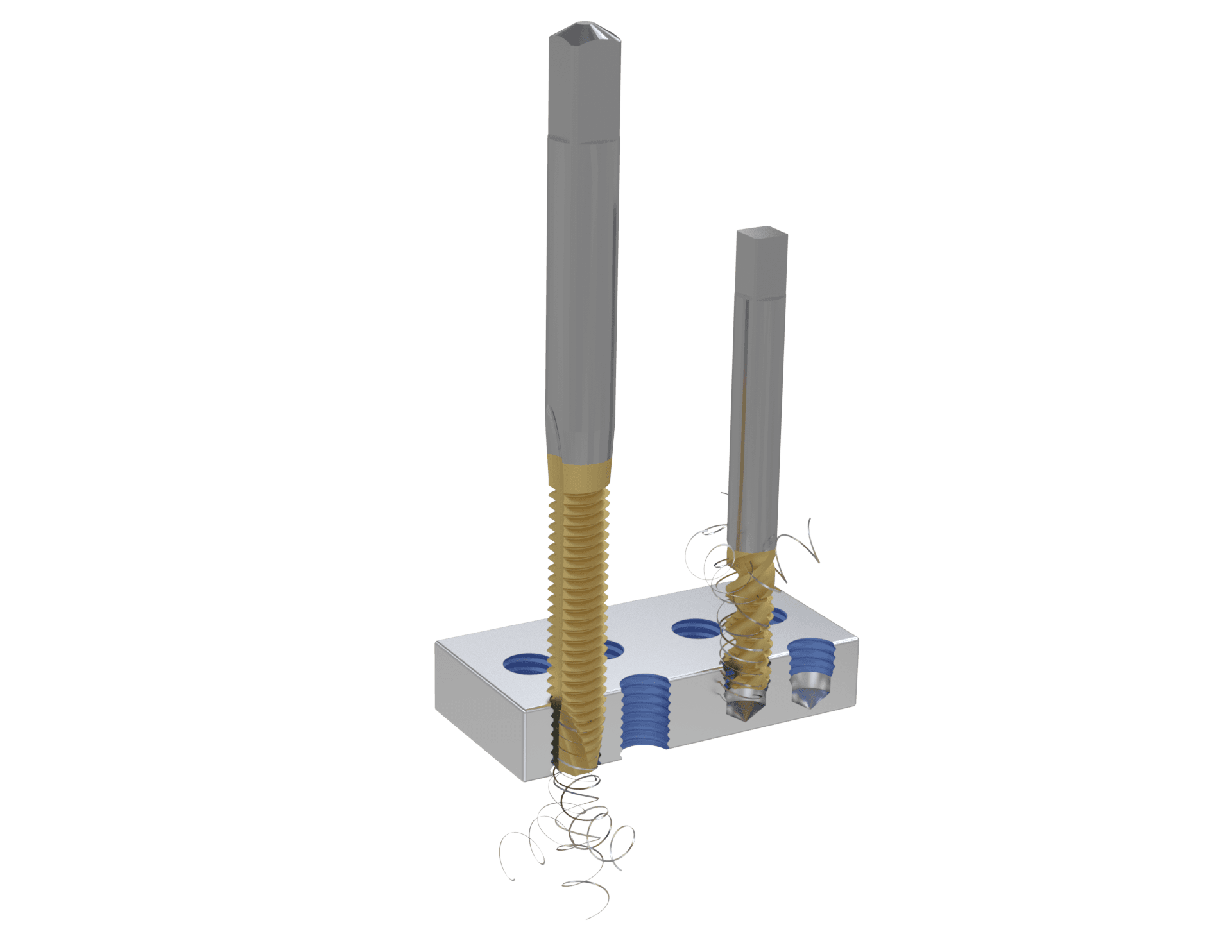
Chip-directing geometries for clean threading in through and blind holes.
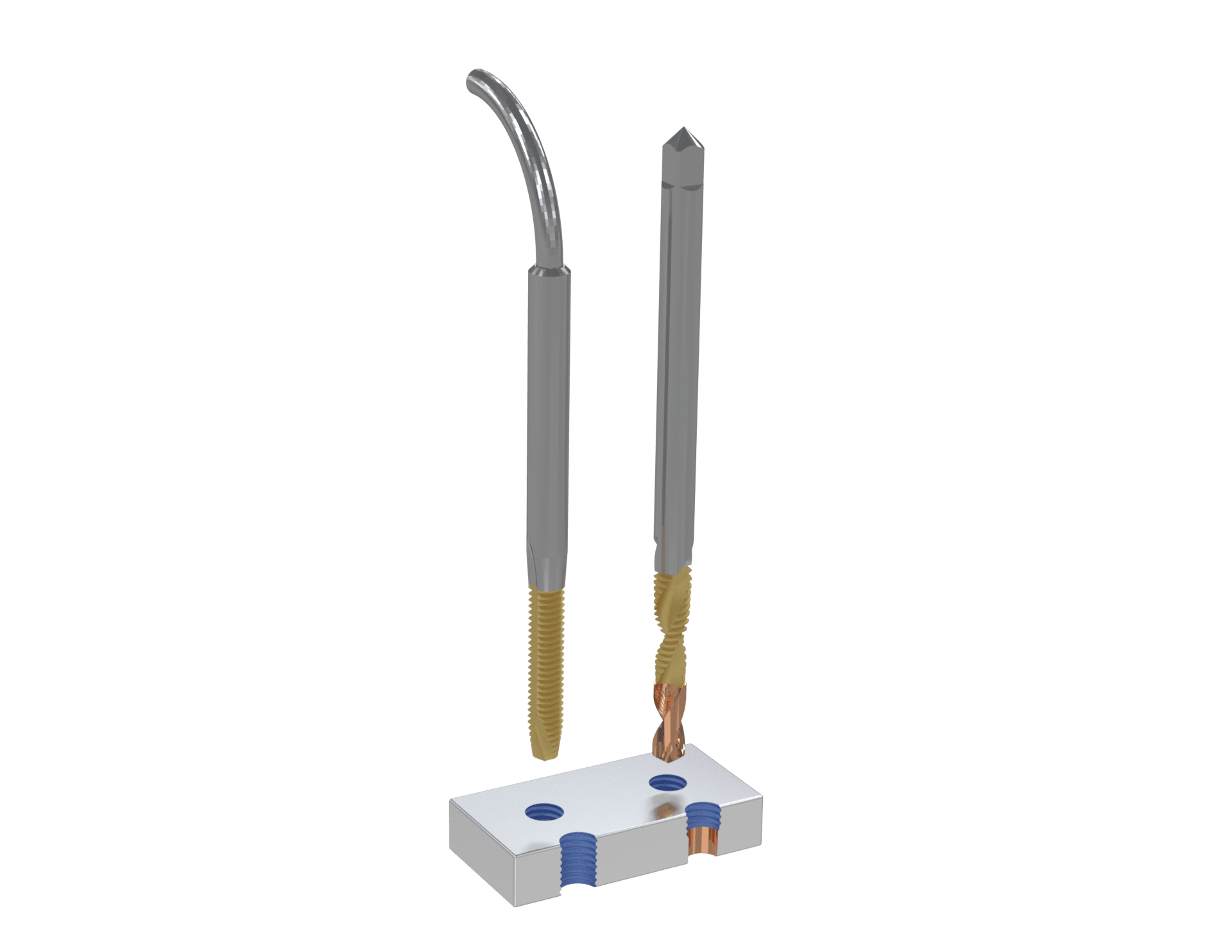
Purpose-built taps for confined spaces and combined operations.
Every Bauron tap can be produced with the shank interface that best matches your machine and holder. Each shank type below is shown with how it mounts and where it performs best.
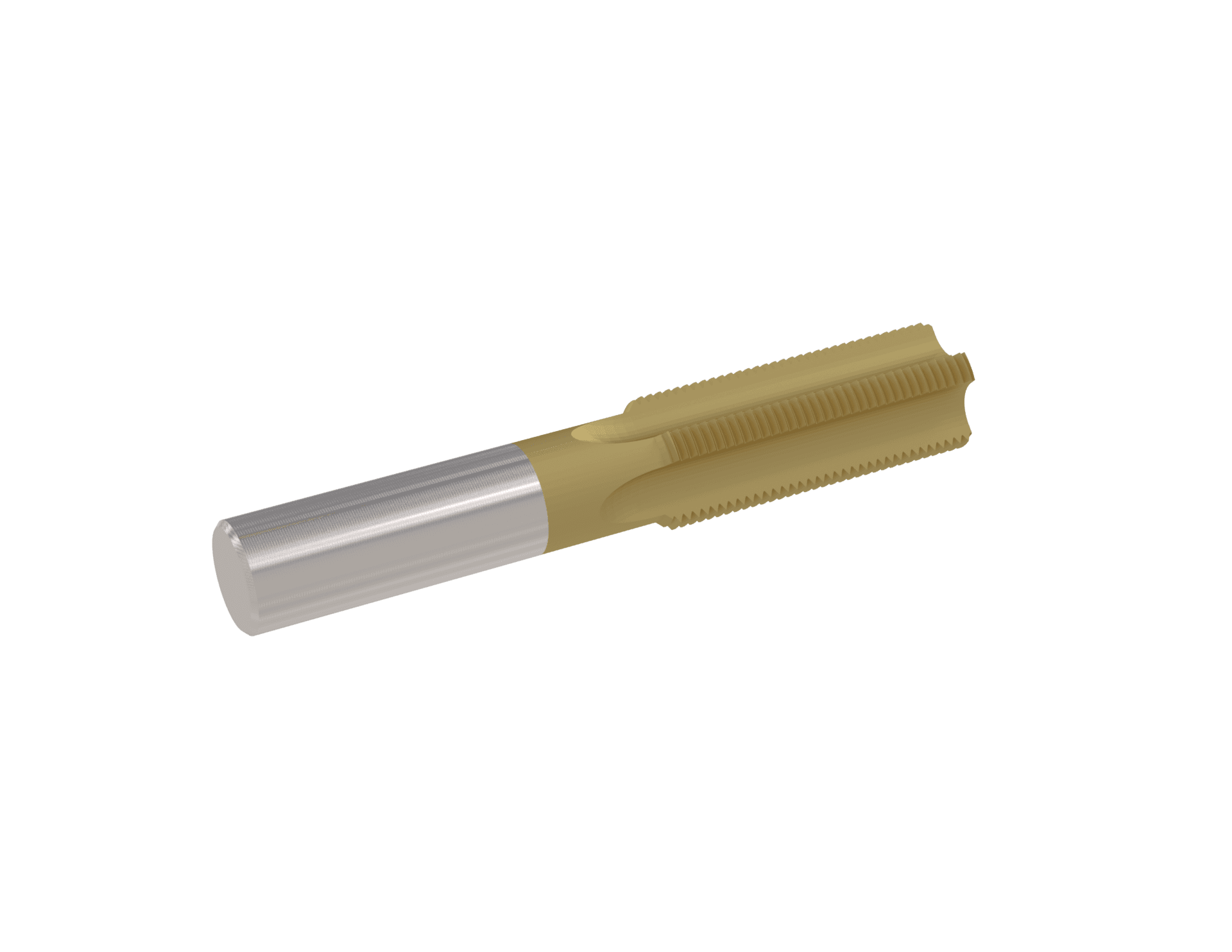
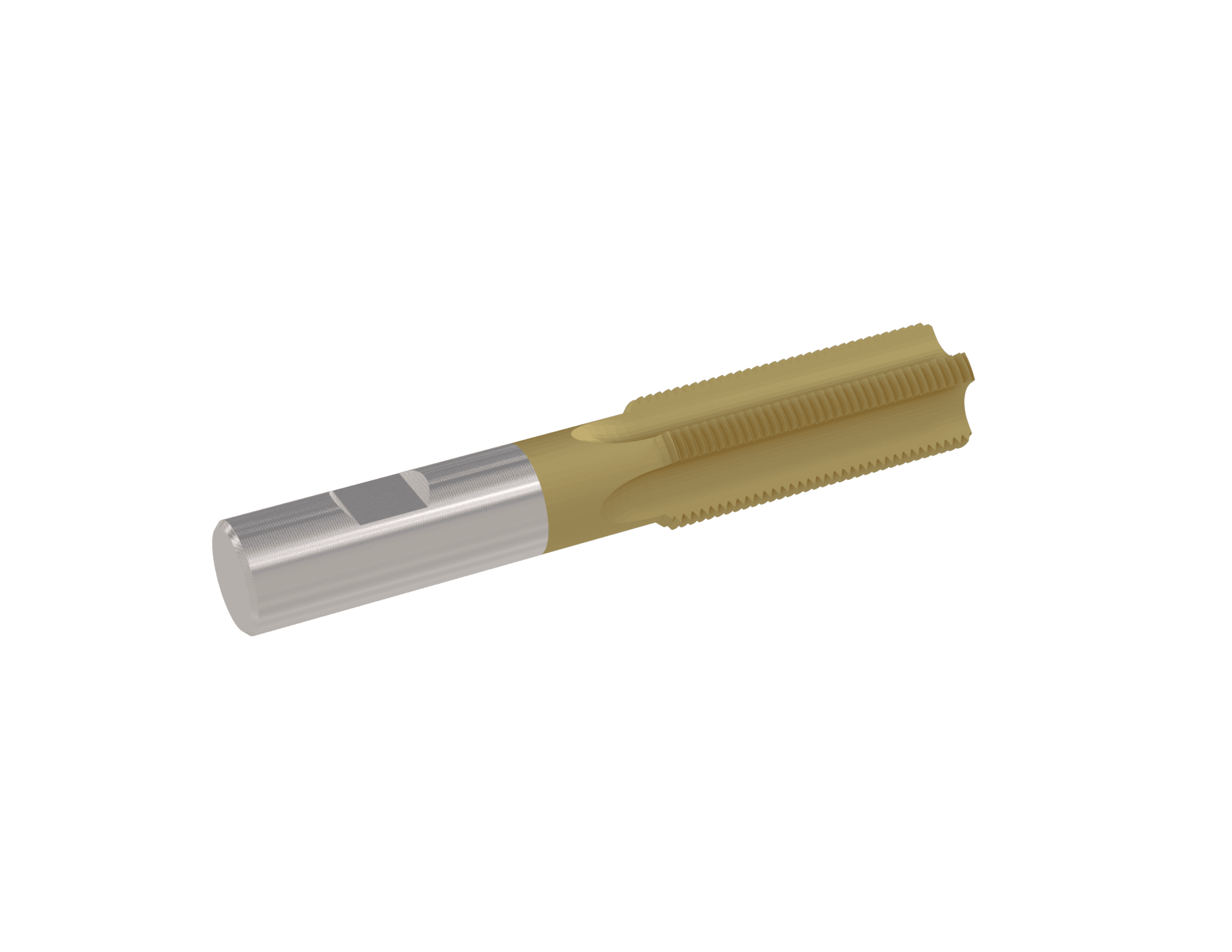
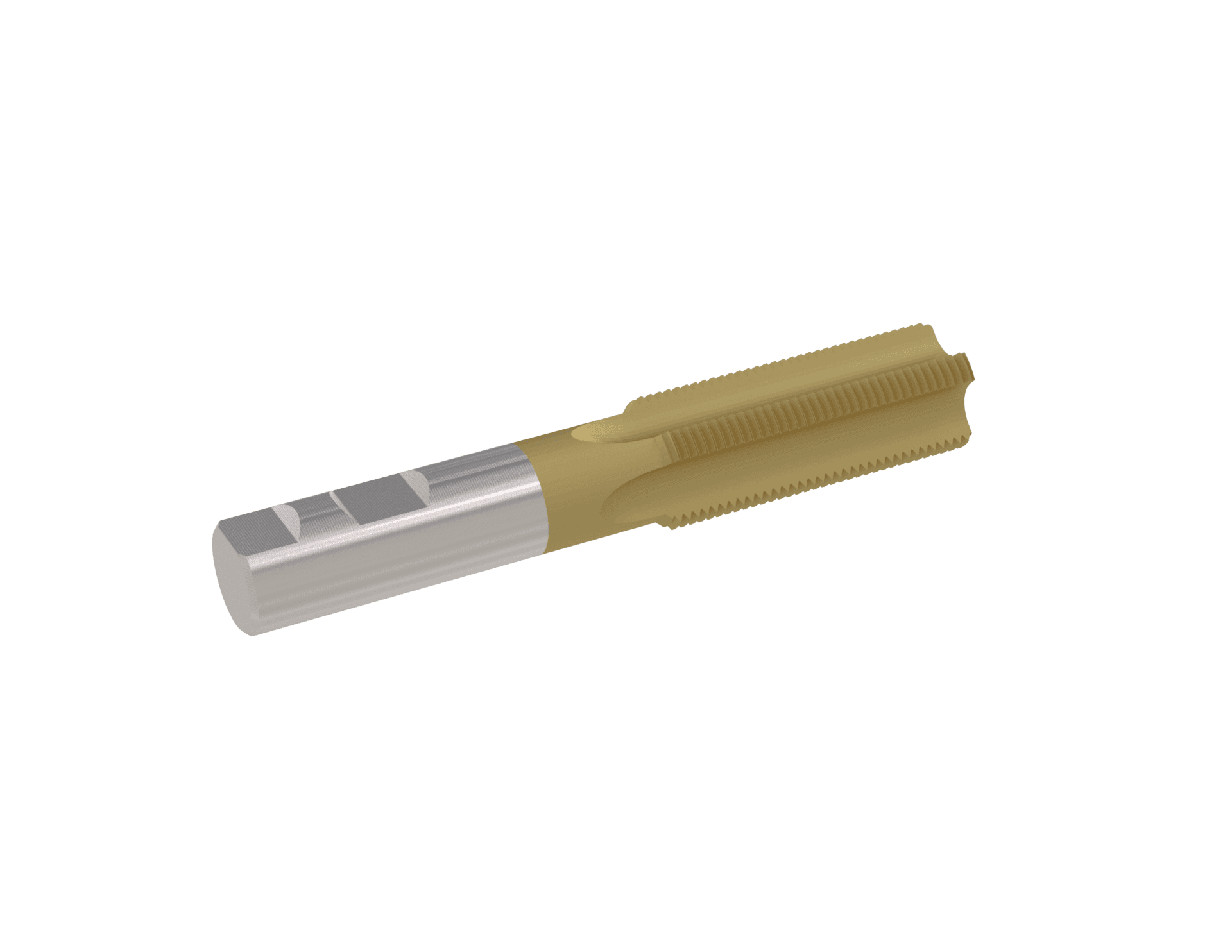
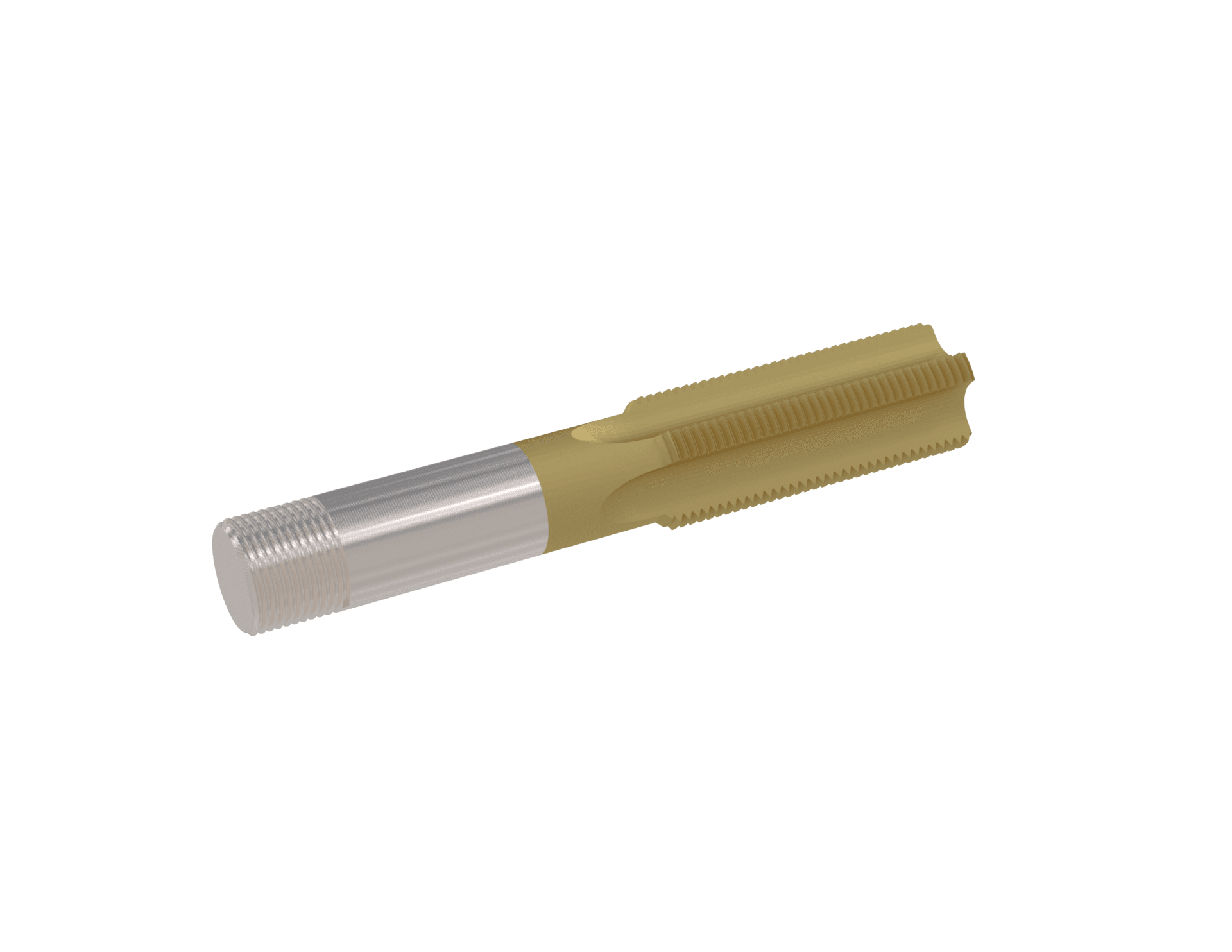
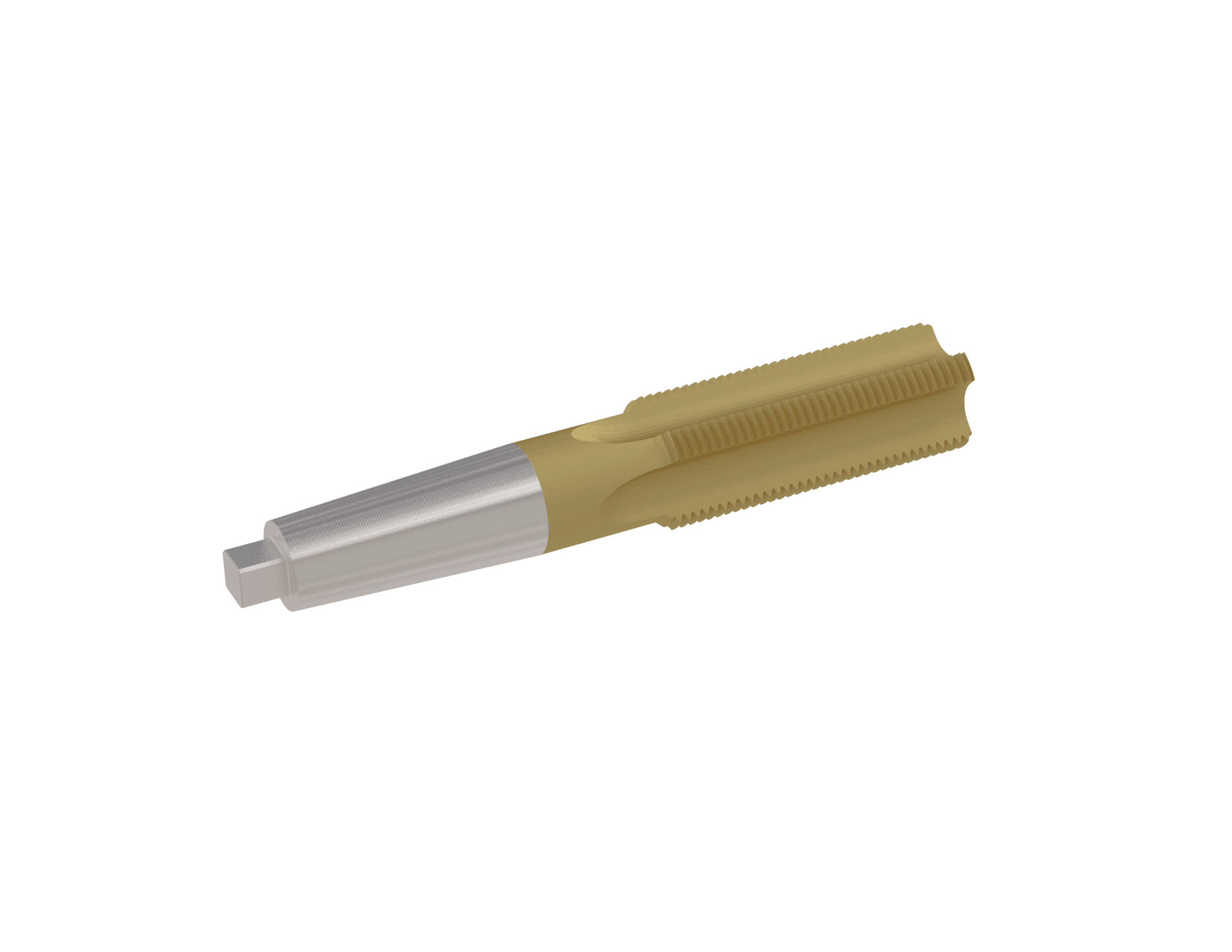
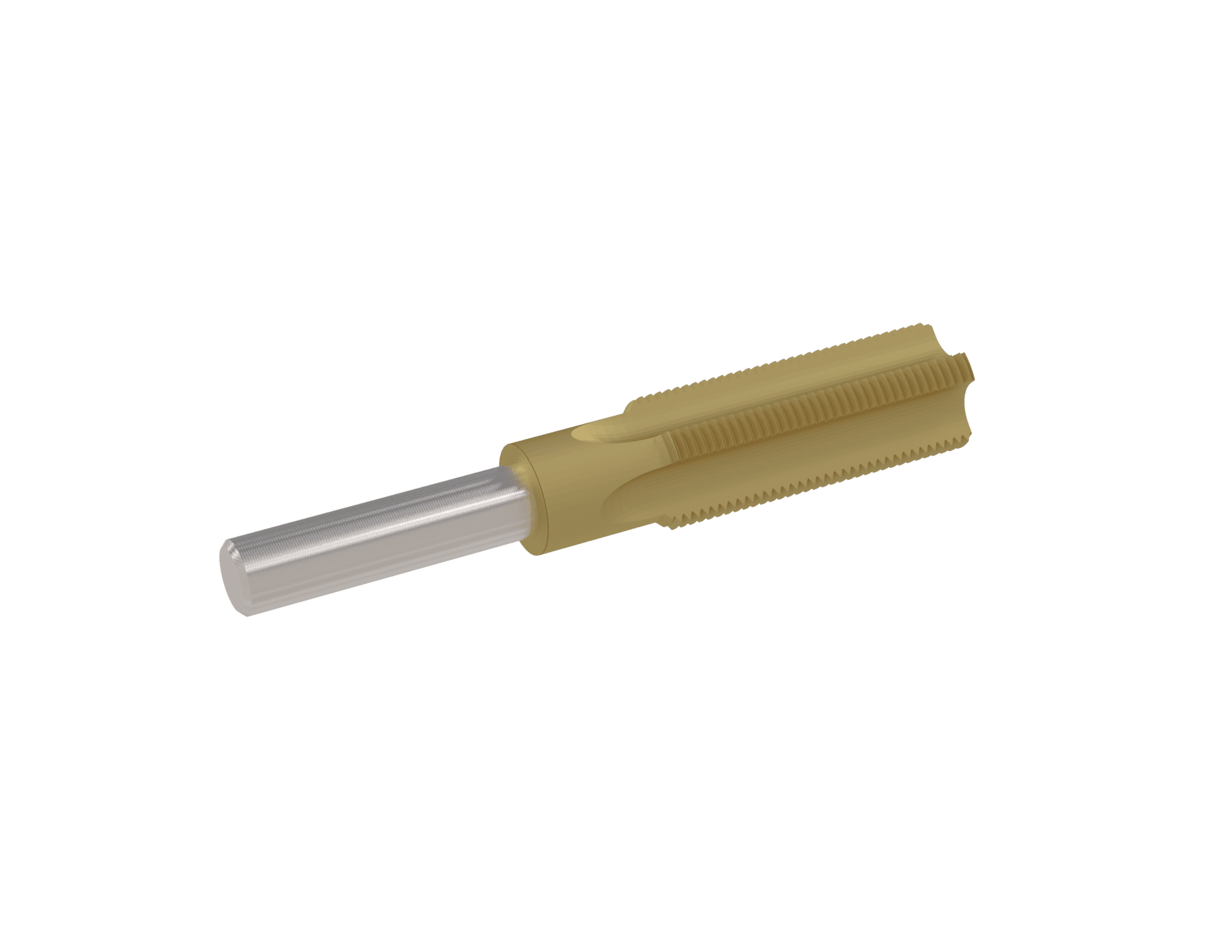
A cut CNC tap shears metal to create internal threads and generates chips that must be evacuated. A roll-form tap plastically deforms the material without creating chips, producing stronger threads without chip-clearance issues in malleable metals.
Custom taps allow pitch tolerances, neck reaches, land widths, and lead chamfers to be tailored to the workpiece material hardness, helping prevent thread stripping and extend tool life in production.
Yes. Bauron manufactures bespoke solid-carbide and HSS-Co taps, thread mills, step taps, and specialized thread-form cutters directly from technical drawings.
AlTiN and nACo nanocomposite coatings offer thermal resistance and lubricity, shielding tap teeth against heat buildup and work-hardening when threading stainless steel.
Looking for custom CNC tapping tools, specialized thread mills, or high-efficiency hole-threading solutions for your shop? Consult with a Bauron application engineer.
Bauron works with manufacturers to review tool geometry, substrate, coating, reach, machine conditions, and production requirements for standard and custom CNC tooling.
Submit your requirements