Direct Alignment
The ultra-short shank engages the workpiece with zero flex or runout.

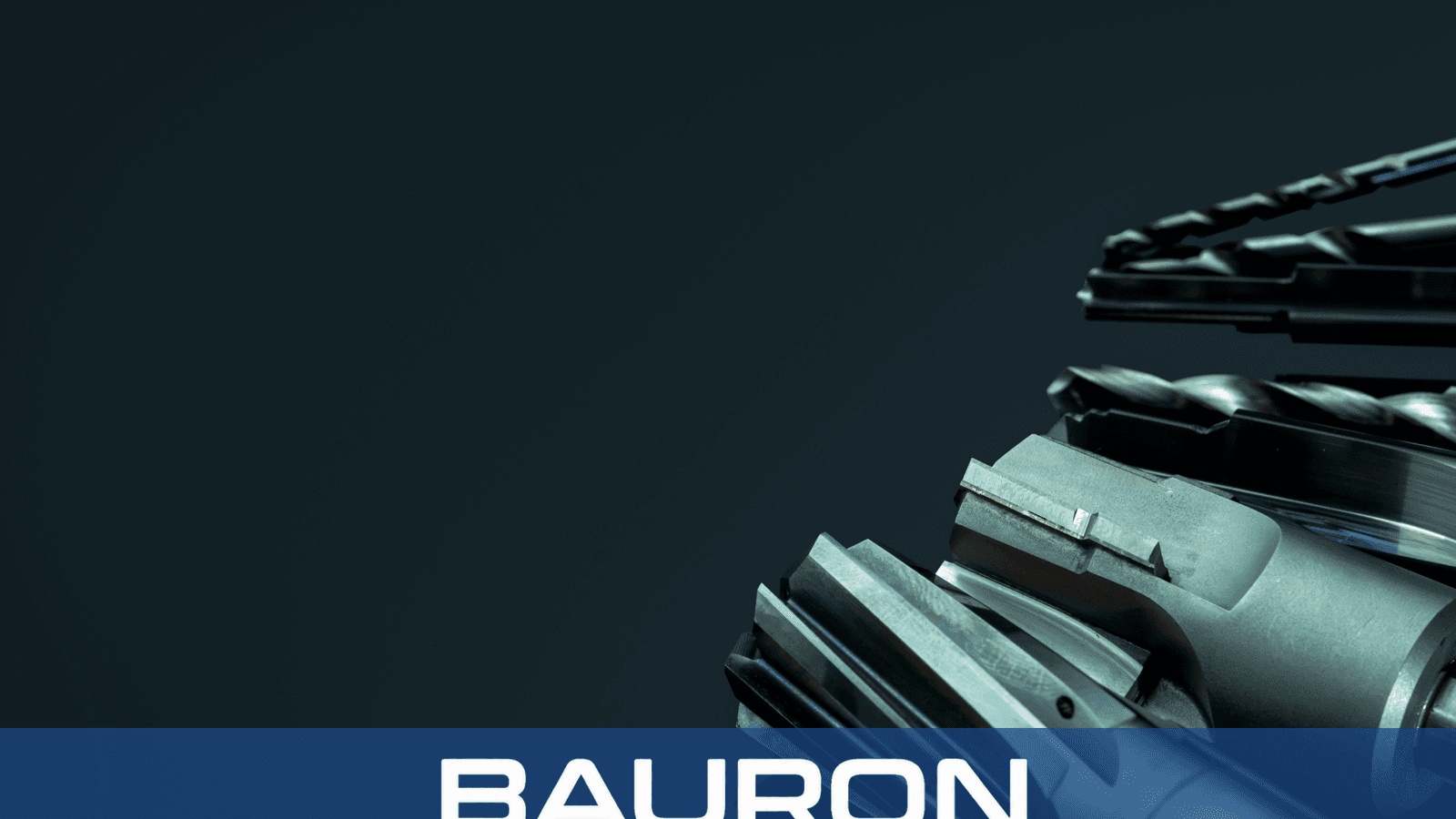
Stub length drill bits (also known as screw machine drills or stubby drill bits) are short-fluted cutting tools designed to deliver extreme rigidity during hole-making operations. By drastically shortening the distance between the machine chuck and the cutting tip, stub drills eliminate the bending leverage that causes longer drills to wander or snap under heavy feeds.
The ultra-short shank engages the workpiece with zero flex or runout.
Typically equipped with a 135° split point that bites instantly into the material without walking.
The reinforced thick steel core allows operators to apply aggressive feed pressure safely.
Compact flutes lift chips out of shallow holes quickly, preventing heat buildup and clogging.
Compact profile makes these tools virtually unbreakable during straight plunging operations.
The short, stiff construction allows you to drill directly into hard metals without starting with a center drill.
Fits easily into right-angle drill heads and cramped mechanical compartments.
Thick web cores absorb heavy thrust loads, enabling faster machine cycle times.
Shorter flute spans suppress chatter, improving hole roundness and internal surface finish.
| Specification | Range / Details |
|---|---|
| Diameter Range | 1/64" to 1" (Standard, Metric, Wire, and Letter sizes) |
| Flute Length Ratio | Compact geometry (approx. 4x to 5x tool diameter) |
| Point Angle | 135° Split Point (Standard self-centering) or 118° |
| Shank Type | Straight Cylindrical |
| Tolerance | Precision ground to exact H7 or OEM specifications |
| Operation Type | High-rigidity and short-reach hole drilling |
| Material / Coating | Best For | Key Advantage |
|---|---|---|
| HSS (High-Speed Steel) | Mild steel, brass, aluminum, and plastics. | Highly durable, economical, and resistant to mechanical shock. |
| Cobalt (HSS-Co) | Stainless steel, cast iron, and titanium. | High thermal stability prevents edge dulling under extreme friction. |
| TiAlN Coating | High-speed dry CNC machining. | Reduces friction drastically, extending the cutting edge life across long production runs. |
HSS offers economical shock resistance for general materials, cobalt adds thermal stability for stainless steel and titanium, and TiAlN reduces friction in high-speed dry CNC machining.
Mounted in tool turrets for fast, unyielding hole-making along the spindle centerline.
The original machinery designed for these compact, heavy-feed cutting tools.
Mechanics favor stubby drill bits for manual drilling in cramped vehicle compartments due to their unbreakable nature.
Bores clearance holes in tight automotive engine bays and structural frames where standard jobber bits cannot physically fit.
Utilized in automated CNC lathes and screw machines for rapid, high-feed hole generation.
Penetrates tough stainless steel, titanium, and nickel alloys without the tool flexing or snapping.
Produces round, burr-free holes in thin sheet metal using robust stub drill bits that resist catching.
Jobber drills are standard, general-purpose tools with longer flutes designed for deeper hole reaching. Stub length drill bits have much shorter flutes and overall lengths, making them vastly more rigid, less prone to snapping, and ideal for shallow holes or restricted spaces.
No. One of the main advantages of using stub drills with a 135-degree split point is their extreme stiffness. They do not wander or flex upon contact, allowing you to drill directly into solid workpiece surfaces without creating a center or pilot hole first.
Yes, they are exceptional for handheld power drills. Mechanics and field installers prefer stubby drill bits because their short length allows them to fit into tight spaces, and their rigidity makes them far harder to accidentally snap if the operator tilts the drill slightly.
Because of their short flute design, these bits are optimized for shallow holes—typically up to 3 to 4 times the drill's diameter. For deeper cavities, you should use a stub drill to start the hole accurately, then transition to a jobber or extra-long bit to finish the depth.
Yes. Bauron specializes in custom CNC tools. We can manufacture custom stub length drill bits with specific step profiles, specialized point angles, or custom carbide grades tailored precisely to your automated manufacturing requirements.
Bauron provides design and engineering support for application-specific tooling requirements. Share the geometry, material, coating needs, and machining challenge for technical review.
Talk to Engineering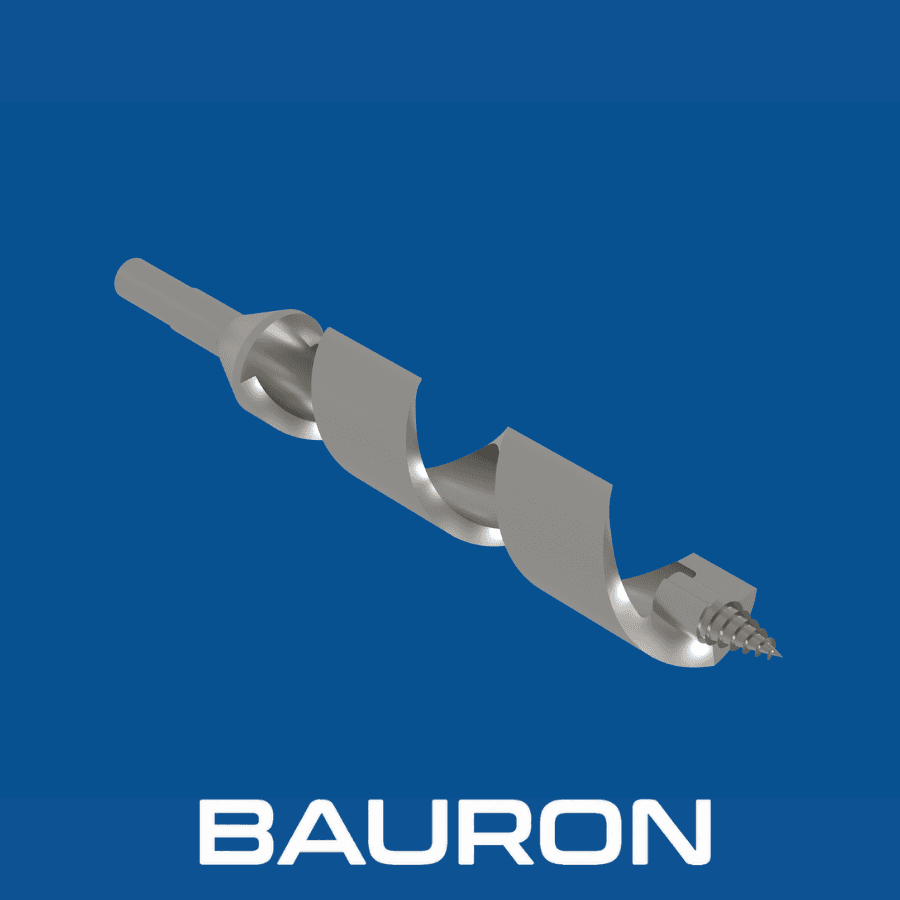
Auger drill bits are specialized, deep-hole cutting tools featuring a screw tip and wide flighting for efficient wood boring.
View Product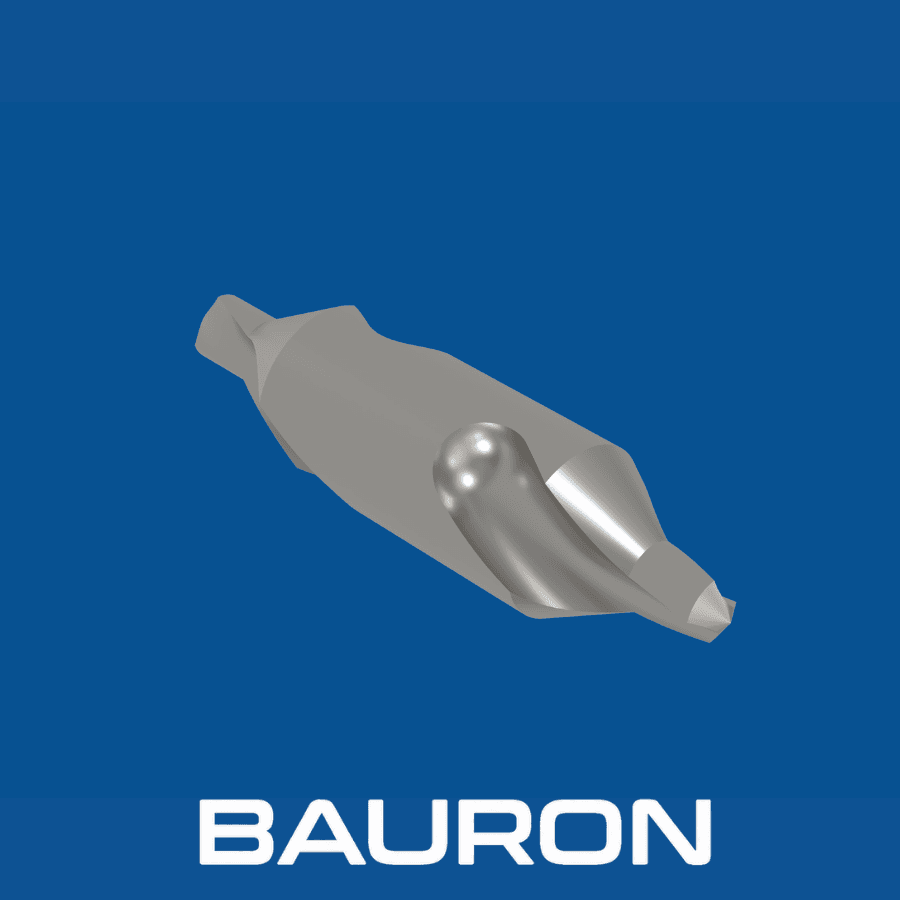
Center drill bits are short, extremely rigid cutting tools used to create precise conical pilot holes for lathe centers or secondary drilling.
View Product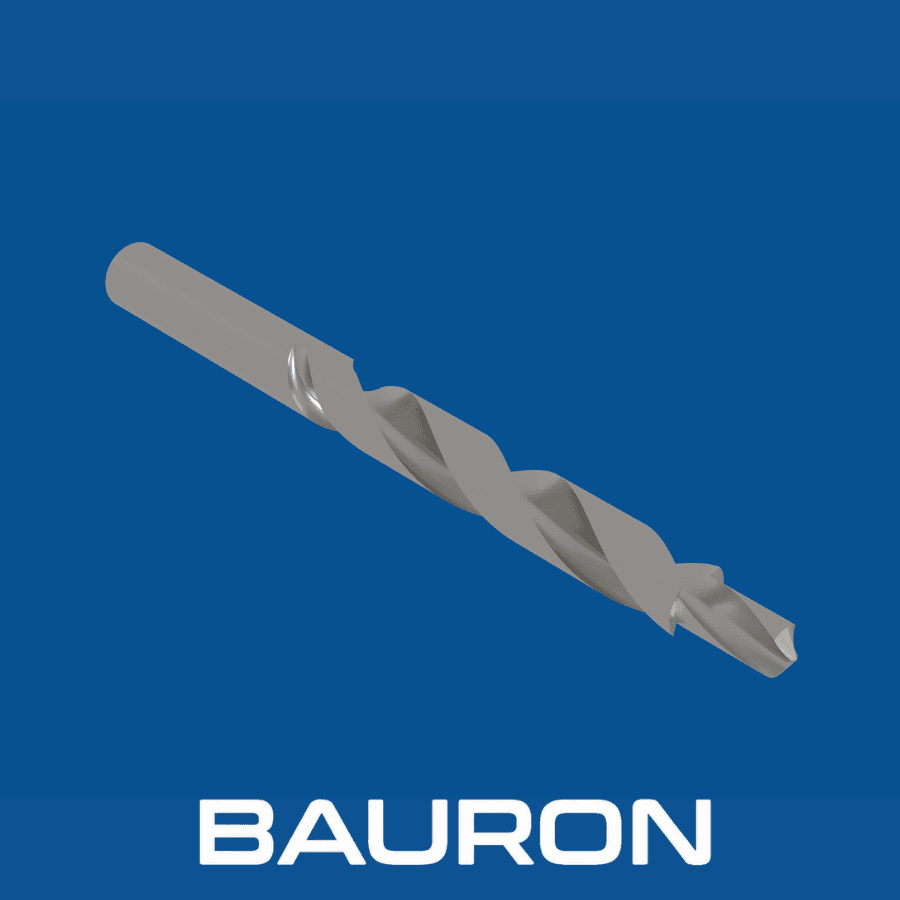
A counterbore drill is a precision cutting tool used to enlarge the top of a pre-drilled hole, creating a flat-bottomed cavity to seat fasteners flush.
View Product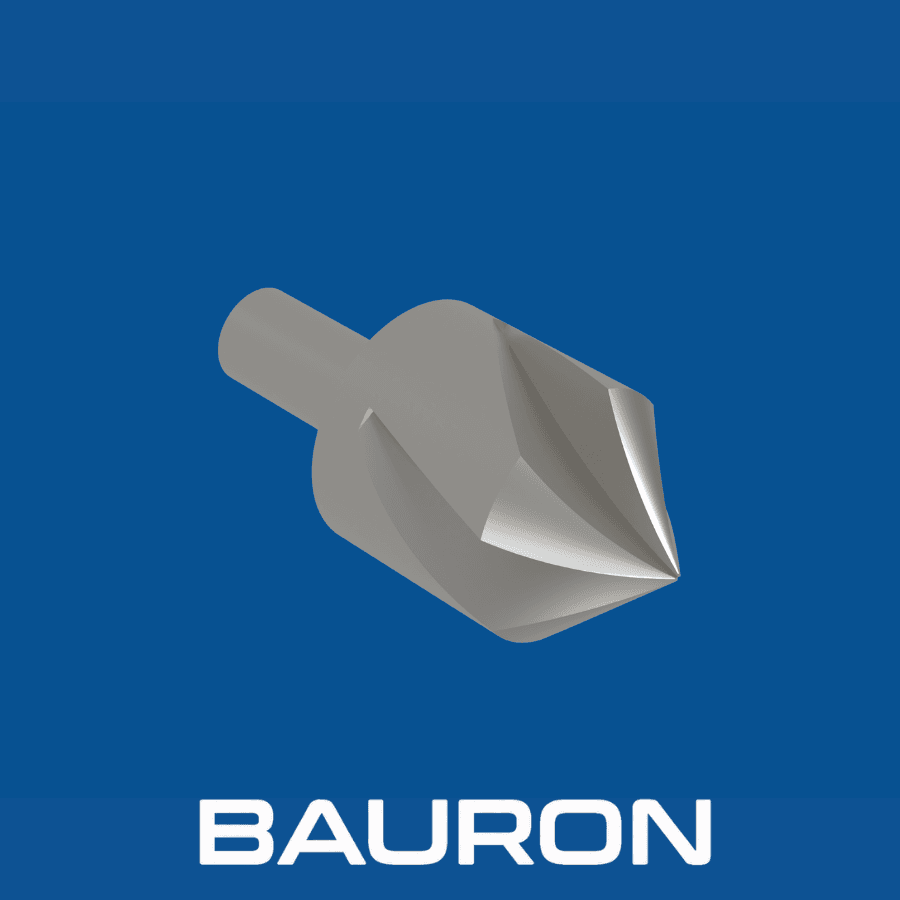
A countersink drill bit is a conical cutting tool used to create an angled recess, allowing flat-head fasteners to sit flush with a surface.
View ProductWork with Bauron's engineering team to develop a cutting tool tailored to your application, material and machining requirements.